 By Hamza
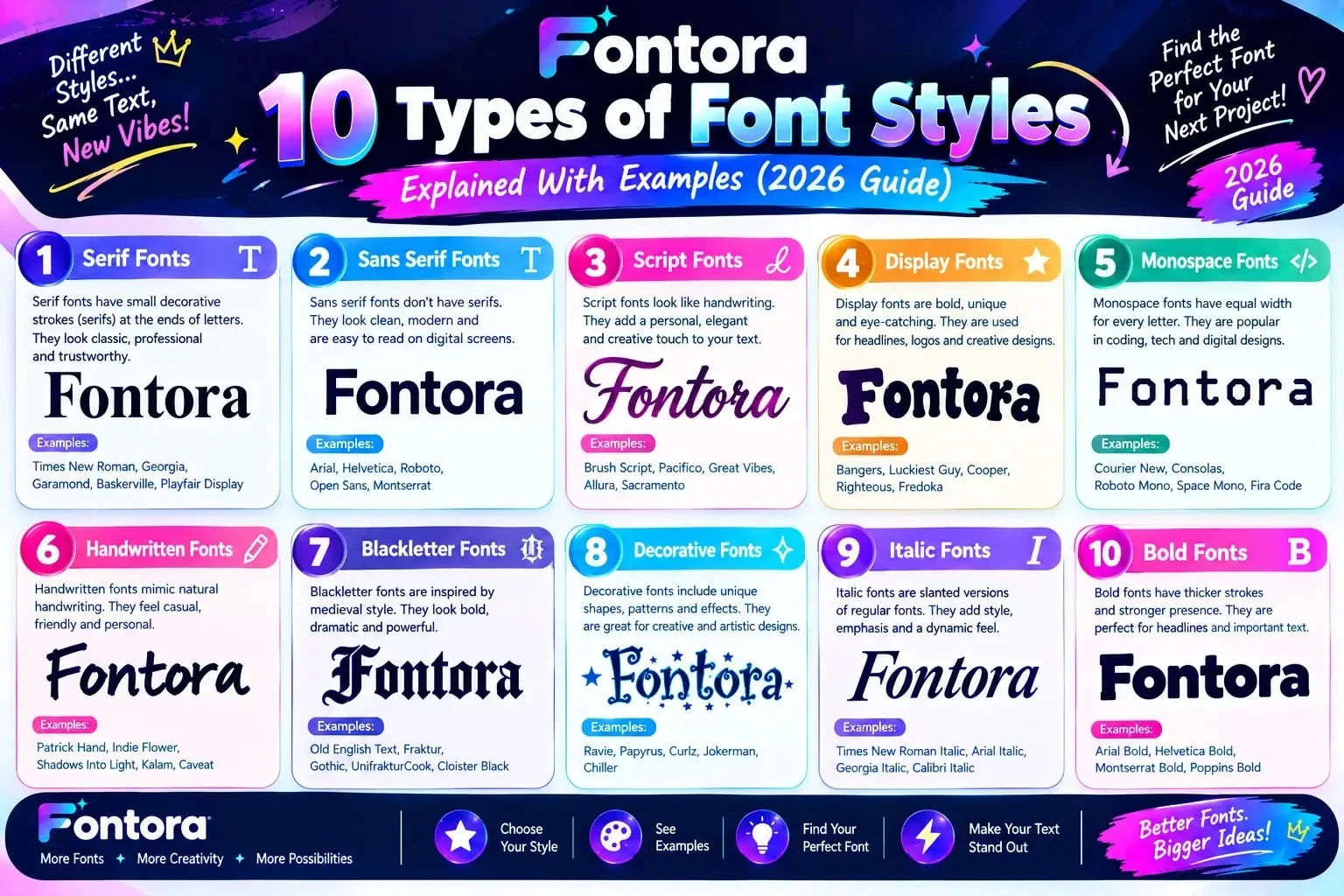
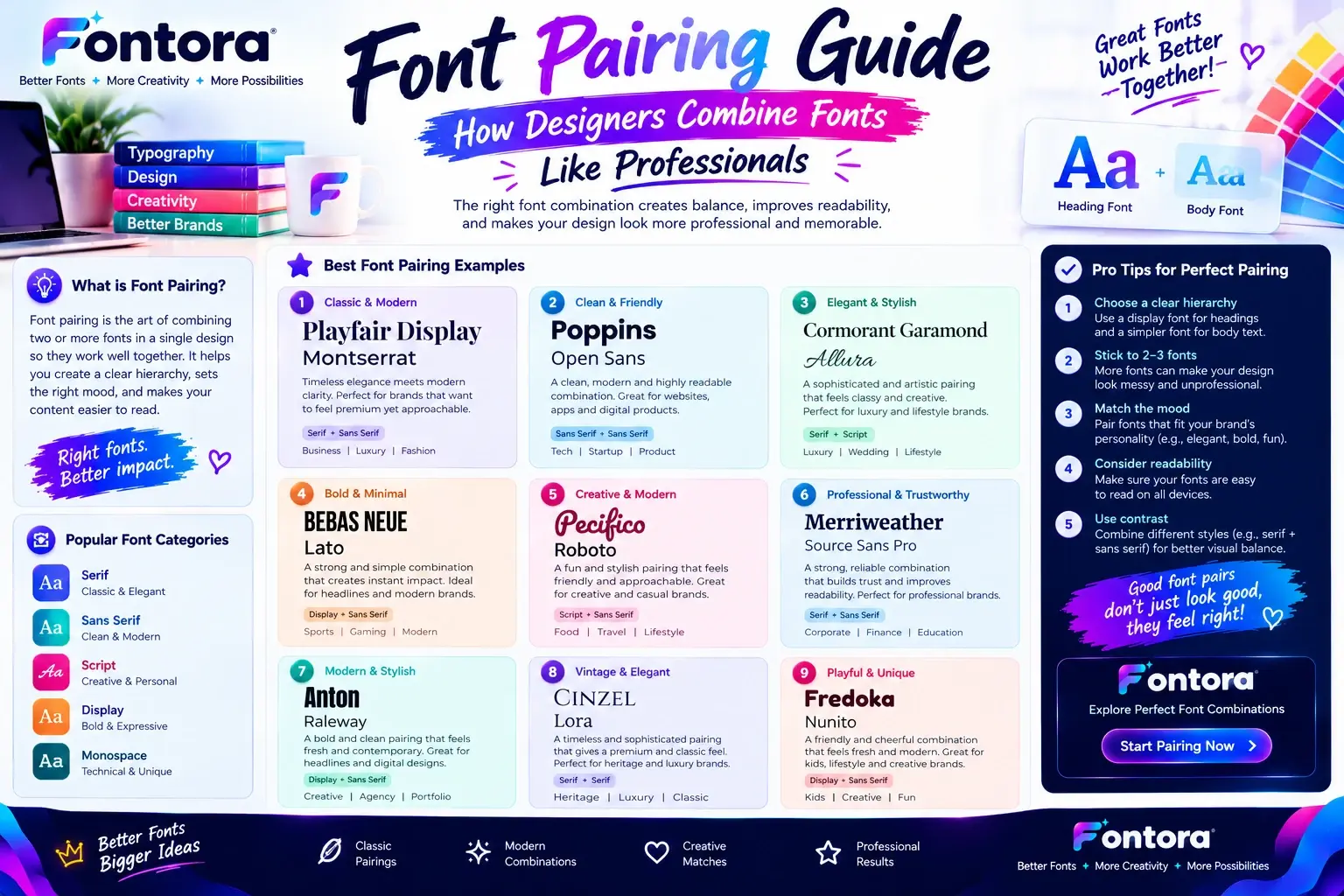
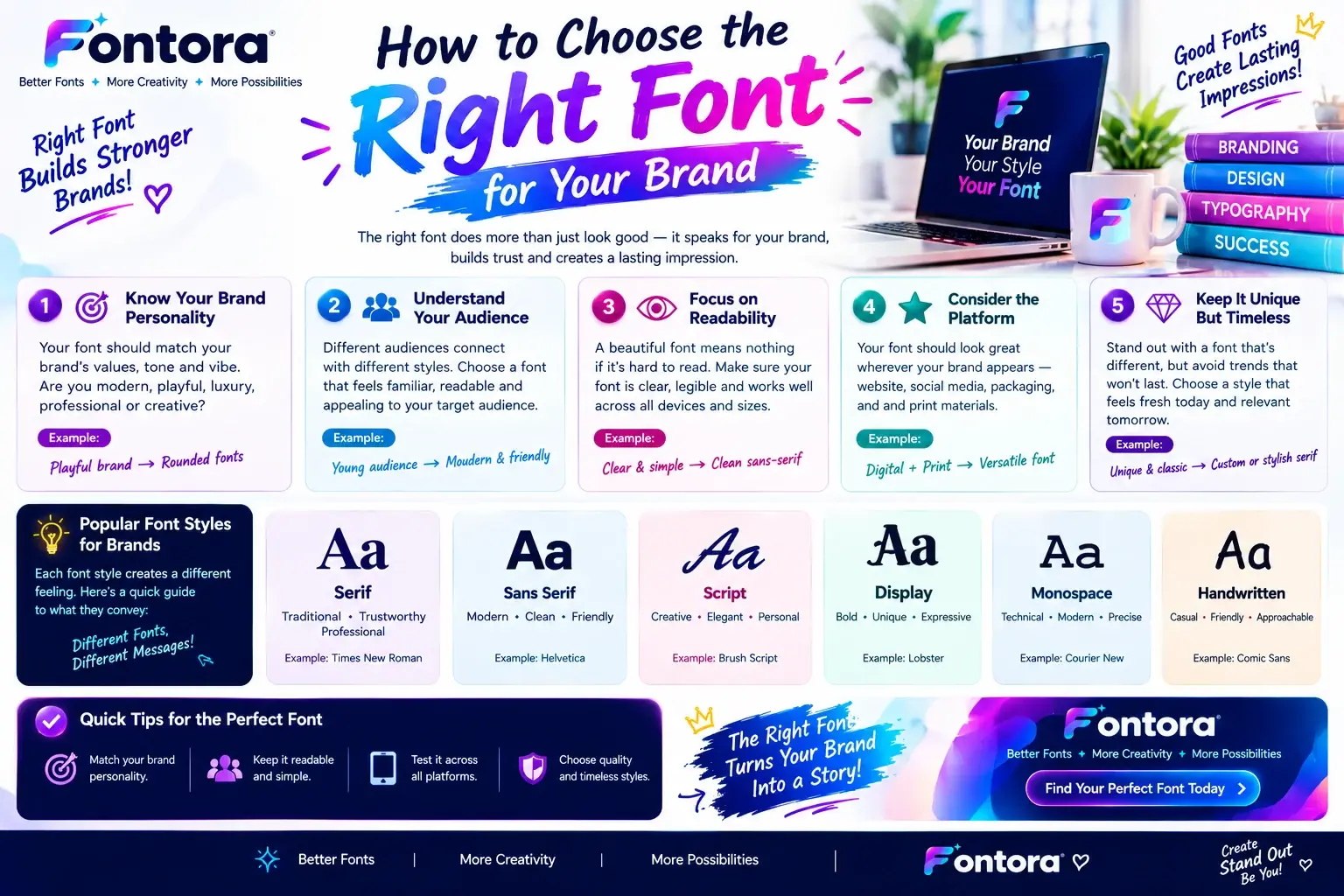
Font styles are different visual designs and characteristics used to change how text appears in typography. They include categories such as serif, sans serif, script, gothic, and decorative fonts, each creating a different look, feeling, and purpose for websites, branding, logos, social media, and creative designs.
Different Types of Font Styles Explained With Examples
Introduction
Font styles are a creative and powerful foundation of modern typography that help designers, businesses, and content creators transform simple text into visually appealing and meaningful communication. The right font style creates a professional impression, improves readability, enhances user experience, and helps brands build a strong visual identity across websites, logos, applications, and social media platforms.
From elegant serif fonts and modern sans serif fonts to artistic script, bold gothic, and unique decorative styles, every typography category has its own personality, purpose, and emotional impact. These carefully designed font styles allow creators to express ideas, connect with audiences, and develop memorable digital experiences.
In this complete guide, you will explore different font styles, their characteristics, examples, practical uses, and how to choose the perfect typography style for branding, web design, marketing materials, and creative projects.
What Are Font Styles?
Font styles describe the visual appearance and personality of written text. They define how letters, numbers, and symbols are designed and displayed to communicate a specific message or feeling.
In typography, font styles help designers control the way audiences perceive written information. A modern technology company may choose a clean sans serif style, while a luxury brand may prefer an elegant serif design to create a premium impression. Understanding typography helps designers choose the right font styles, combinations, and visual elements for different creative projects.
Every font style has unique features, including:
Letter shapes
Spacing
Thickness
Decorative elements
Overall visual personality
These characteristics influence readability, emotional response, and the overall appearance of a design.
Font Styles vs Typefaces: What Is The Difference?
The terms "font" and "typeface" are often used together, but they have different meanings.
A typeface refers to the overall design family of letters, while a font usually describes a specific variation within that family.
For example:
Typeface:
Helvetica
Fonts:
Helvetica Bold
Helvetica Italic
Helvetica Light
In simple words:
Typeface = the complete design family
Font = a specific style or version of that design
Understanding this difference helps designers choose the right typography for different projects.
Why Do Font Styles Matter In Design?
Font styles are not only about making text look attractive. They help communicate personality, improve user experience, and support visual storytelling.
The right font style can help:
Create a professional appearance
Improve content readability
Build brand recognition
Guide user attention
Create emotional connections
For example:
A children's brand may use playful decorative fonts, while a financial company may use clean and trustworthy typography.
How Font Styles Influence Visual Communication
Typography works as a visual language. Before people read the actual words, they often notice the appearance and style of the text.
Different font styles can create different impressions:
Serif fonts:
Traditional
Reliable
Professional
Sans serif fonts:
Modern
Simple
Clean
Script fonts:
Elegant
Creative
Personal
Gothic fonts:
Strong
Dramatic
Historical
Decorative fonts:
Unique
Artistic
Expressive
Choosing the right font style helps ensure that the design message matches the intended audience.
Where Are Font Styles Used?
Font styles are used across many digital and creative areas, including:
Websites
Web designers select typography styles to improve readability and create a better browsing experience.
Logos And Branding
Businesses use specific fonts to develop a recognisable brand identity.
Social Media
Creators use stylish typography for posts, profile designs, and visual content.
Marketing Materials
Companies use different font styles in advertisements, brochures, and promotional designs.
Digital Products
Applications, software interfaces, and online platforms use typography to create a smooth user experience.
Understanding font styles is the first step toward creating effective designs. The right typography choice can transform simple text into a powerful visual element that communicates personality, purpose, and brand values.
Why Are Font Styles Important?
Font styles are more than just decorative elements in design. They influence how people perceive information, interact with content, and connect with a brand. The right typography choice can improve communication, create a professional appearance, and make digital experiences more engaging. This connection between typography and human perception is explored through font psychology, which explains how different font styles influence emotions and brand impressions.
Designers, businesses, and content creators carefully select font styles because typography affects readability, emotions, brand recognition, and overall user experience.
Build Strong Brand Identity
Font styles play an important role in creating a recognisable brand identity. Businesses use typography to communicate their personality, values, and market position. Choosing the right brand fonts helps companies create a consistent visual identity across websites, logos, and marketing materials.
A carefully selected font can make a brand feel:
Professional
Trustworthy
Modern
Creative
Premium
For example:
A luxury fashion brand may choose an elegant serif font to create a sophisticated feeling, while a technology company may use a clean sans serif font to represent innovation and simplicity.
Consistent typography across logos, websites, advertisements, and social media helps customers recognise and remember a brand.
Improve Readability And User Experience
One of the most important purposes of font styles is improving readability. A good typography choice helps users understand information quickly and comfortably.
The wrong font style can make content difficult to read, while the right style creates a smooth reading experience.
Font selection affects:
Letter clarity
Text spacing
Visual balance
Content organisation
Reading comfort
For websites and digital platforms, readable typography helps visitors stay engaged and navigate content more easily.
Create Emotional Connections
Fonts communicate emotions before people even read the complete message. Different font styles create different feelings and associations.
Examples:
Serif fonts often communicate:
Tradition
Trust
Elegance
Authority
Sans serif fonts often communicate:
Simplicity
Innovation
Clean design
Modernity
Script fonts often communicate:
Creativity
Personal touch
Elegance
Gothic fonts often communicate:
Strength
Mystery
Historical character
Choosing a font style that matches the intended emotion helps create stronger connections with audiences.
Improve Visual Communication
Typography is a visual communication tool that helps organise information and guide attention.
Font styles can highlight:
Important headlines
Brand messages
Calls to action
Product information
Creative elements
For example, a bold display font can attract attention to a campaign headline, while a simple font can make body content easier to understand.
Effective typography creates a balance between visual appeal and clear communication.
Make Digital Content More Professional
In today's digital world, typography affects how people judge the quality of online content.
Professional font choices can improve:
Website appearance
Social media designs
Marketing materials
Presentations
Brand assets
A consistent font style creates a polished and trustworthy impression.
For example, a business website with carefully selected typography feels more reliable than a website using random and inconsistent fonts.
Support Different Design Purposes
Every project has different goals, and font styles help designers achieve those goals.
Examples:
Websites
Clean and readable fonts improve user experience and make information easier to access.
Logos
Unique font styles help businesses create memorable visual identities.
Social Media
Creative fonts help creators design attractive posts, usernames, and profile elements.
Advertising
Eye-catching typography helps brands capture attention and communicate messages quickly.
Help Users Recognise Content Faster
People often recognise visual patterns before reading complete information. A consistent typography style allows users to identify brands, categories, and content types quickly.
For example:
A familiar brand font can create instant recognition.
A consistent social media style can strengthen creator identity.
A clear heading style can improve website navigation.
Font styles create visual consistency that improves the overall experience.
Choosing the right font style is an essential part of effective design. Whether used for branding, websites, social media, or creative projects, typography helps communicate ideas, influence emotions, and create memorable experiences.
Main Types of Font Styles
Font styles come in many categories, and each style creates a different visual impression. Designers, brands, and creators choose specific typography styles based on the message they want to communicate, the target audience, and the purpose of their project.
The most common font style categories include serif, sans serif, script, gothic, display, and decorative fonts. Each category has unique characteristics and is used across different areas such as branding, websites, publishing, marketing, and digital design.
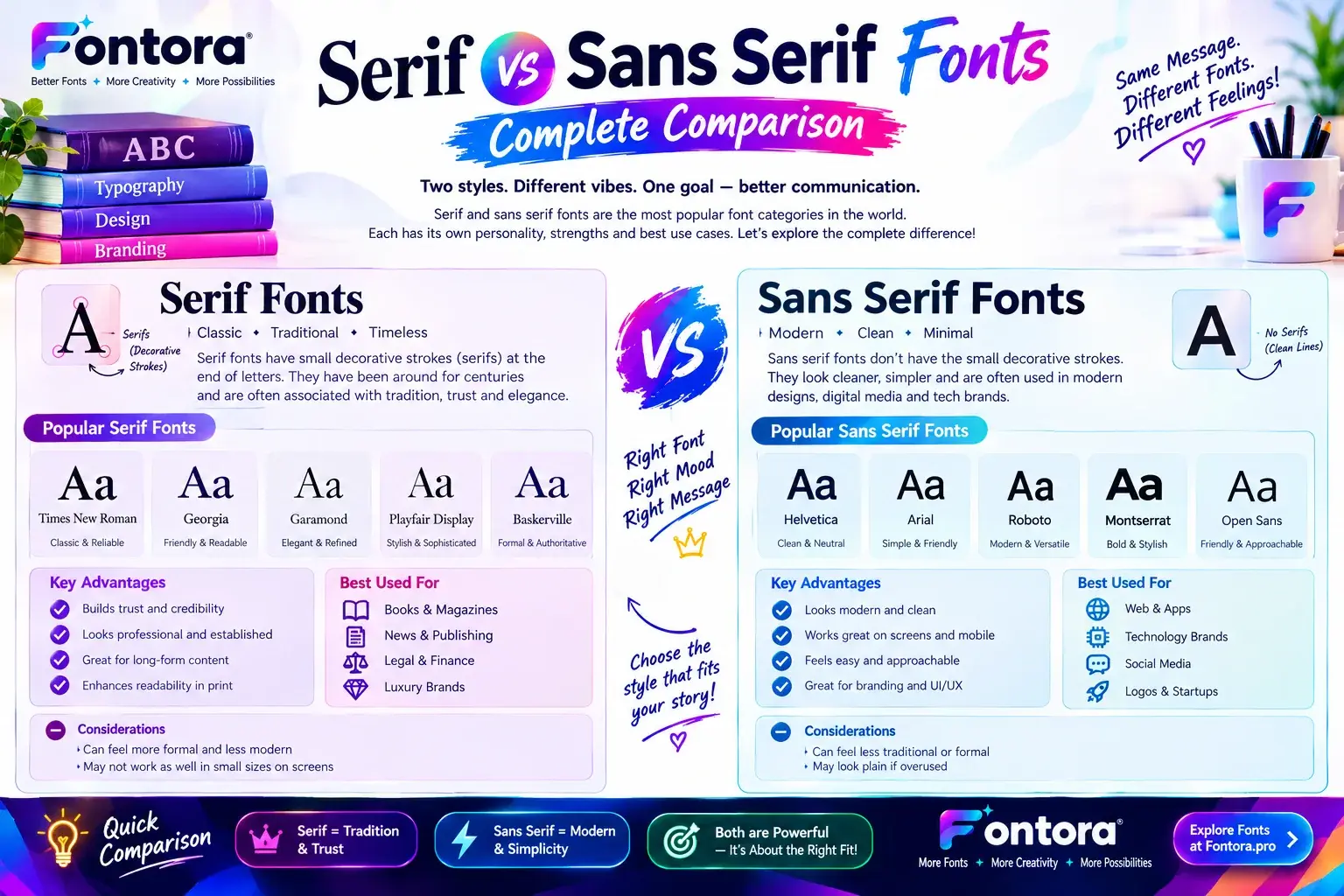
Serif Fonts
Serif fonts are traditional typography styles that include small decorative strokes or extensions at the ends of letters. These details create a classic and elegant appearance, making serif fonts popular for designs that require trust, authority, and sophistication.
Serif fonts are often associated with:
Professionalism
Tradition
Reliability
Luxury
Experience
Examples of serif fonts:
Times New Roman
Georgia
Garamond
Baskerville
Common uses of serif fonts:
Books And Publications
Serif fonts are widely used in printed materials such as books, magazines, and newspapers because their structured letter shapes create a comfortable reading experience.
Luxury Branding
Many premium brands use serif typography to communicate elegance and high quality.
Professional Websites
Organisations such as law firms, financial companies, and educational institutions often use serif fonts to create a trustworthy appearance.
Sans Serif Fonts
Sans serif fonts are modern typography styles that do not contain decorative strokes at the end of letters. Their clean and simple appearance makes them highly popular in digital design.
Sans serif fonts are commonly associated with:
Modern design
Simplicity
Innovation
Clarity
Accessibility
Examples of sans serif fonts:
Arial
Helvetica
Roboto
Open Sans
Common uses of sans serif fonts:
Websites And Applications
Sans serif fonts are widely used in websites, mobile applications, and software interfaces because they remain clear on digital screens.
Technology Brands
Many technology companies choose sans serif typography because it represents modern innovation and simplicity.
Social Media Content
Creators often use clean sans serif fonts for posts, videos, and digital graphics because they are easy to read.
Script Fonts
Script fonts are typography styles inspired by handwriting and calligraphy. They create an artistic, personal, and elegant appearance.
Script fonts are often used when designers want to add:
Creativity
Emotion
Personal connection
Luxury feeling
Examples of script styles:
Among the most popular script styles are cursive fonts, which recreate the flowing appearance of handwriting and calligraphy.
Cursive fonts
Handwritten fonts
Calligraphy fonts
Common uses of script fonts:
Invitations And Events
Script fonts are popular for wedding invitations, greeting cards, and special event designs.
Fashion And Beauty Branding
Many beauty and lifestyle brands use script typography to create a premium and elegant identity.
Creative Projects
Artists and designers use script fonts to add personality to logos, posters, and social media graphics.
Gothic Fonts
Gothic fonts are bold and dramatic typography styles with historical roots in medieval European lettering. They create a strong, mysterious, and powerful visual appearance. Learn more about gothic fonts, including their history, different styles, and creative uses in modern design.
Gothic fonts are commonly associated with:
Strength
Mystery
History
Fantasy
Dark aesthetics
Examples of gothic styles:
Blackletter fonts
Old English fonts
Common uses of gothic fonts:
Gaming Profiles
Many gamers use gothic fonts for usernames because they create a powerful and competitive identity.
Music And Entertainment
Gothic typography is often used in album covers, posters, and entertainment branding.
Creative Designs
Designers use gothic fonts for projects that require a dramatic or historical feeling.
Display Fonts
Display fonts are creative and attention-grabbing typography styles designed mainly for headlines and visual impact.
Unlike body text fonts, display fonts are created to stand out and attract attention.
Display fonts are associated with:
Creativity
Expression
Uniqueness
Visual impact
Common uses:
Headlines
Display fonts are commonly used for website headings, advertisements, and campaign titles.
Posters
Designers use display fonts to make posters and promotional materials more attractive.
Branding
Unique display fonts can help businesses create memorable logos and visual identities.
Decorative Fonts
Decorative fonts are highly creative typography styles designed for special purposes. They often include unique shapes, artistic elements, and unusual letter designs.
Decorative fonts are commonly used for:
Creative projects
Social media designs
Artwork
Special events
Examples include:
Bubble fonts
Glitch fonts
Fantasy fonts
Themed fonts
Decorative fonts are powerful when used correctly because they can make designs more expressive and memorable. However, they should be used carefully because complex styles may reduce readability.
Choosing Between Different Font Styles
Each font style has a specific purpose, so the best choice depends on your design goal.
Choose:
Serif fonts for:
Trustworthy brands
Professional documents
Traditional designs
Sans serif fonts for:
Websites
Applications
Modern branding
Script fonts for:
Elegant designs
Personal projects
Creative branding
Gothic fonts for:
Gaming
Dark themes
Dramatic designs
Display fonts for:
Headlines
Advertisements
Attention-grabbing content
Decorative fonts for:
Unique designs
Social media
Creative projects
Understanding these categories helps designers select typography that matches their message and audience.
Popular Font Styles With Examples
Font styles help create different visual impressions and communicate specific emotions through text. Some styles create a professional appearance, while others add creativity, personality, or a unique visual identity.
Modern designers, social media creators, and brands use different typography styles depending on their goals. Below are some of the most popular font styles with examples and common uses.
Bold Font Style
Bold fonts use thicker and heavier letter shapes to create a strong visual impact. They are designed to attract attention and make important text stand out.
Bold typography is commonly used for:
Headlines
Advertisements
Social media posts
Branding messages
Important announcements
Example:
Normal:
Strong Message
Bold style:
𝐒𝐭𝐫𝐨𝐧𝐠 𝐌𝐞𝐬𝐬𝐚𝐠𝐞
More examples:
🔥 𝐁𝐢𝐠 𝐃𝐫𝐞𝐚𝐦𝐬
⚡ 𝐂𝐫𝐞𝐚𝐭𝐞 𝐘𝐨𝐮𝐫 𝐅𝐮𝐭𝐮𝐫𝐞
👑 𝐋𝐞𝐚𝐝 𝐓𝐡𝐞 𝐖𝐚𝐲
Bold fonts work well when you want text to appear confident, powerful, and noticeable.
Italic Font Style
Italic fonts are designed with letters that slightly lean to one side. They create a sense of movement, emphasis, and elegance.
Italic styles are commonly used for:
Highlighting words
Quotes
Creative writing
Editorial designs
Example:
Normal:
Creative Ideas
Italic style:
𝘐𝘥𝘦𝘢𝘴 𝘊𝘳𝘦𝘢𝘵𝘪𝘷𝘦
Italic fonts are useful when designers want to add emphasis without making text appear too heavy.
Cursive Font Style
Cursive fonts are inspired by handwriting and calligraphy. They create a personal, artistic, and elegant appearance.
Cursive fonts are popular for:
Invitations
Beauty brands
Fashion designs
Personal projects
Creative logos
Example:
Normal:
Beautiful Design
Cursive style:
𝓑𝓮𝓪𝓾𝓽𝓲𝓯𝓾𝓵 𝓓𝓮𝓼𝓲𝓰𝓷
More examples:
🌸 𝓓𝓻𝓮𝓪𝓶 𝓢𝓽𝔂𝓵𝓮
✨ 𝓒𝓻𝓮𝓪𝓽𝓲𝓿𝓮 𝓜𝓲𝓷𝓭
Cursive fonts add personality and are often chosen for designs that require elegance and emotion.
Gothic Font Style
Gothic fonts are bold and dramatic styles inspired by historical lettering. They often create a mysterious, powerful, and traditional appearance.
Gothic fonts are commonly used in:
Gaming usernames
Music branding
Fantasy designs
Posters
Creative artwork
Example:
Normal:
Dark Warrior
Gothic style:
𝕯𝖆𝖗𝖐 𝖂𝖆𝖗𝖗𝖎𝖔𝖗
More examples:
⚔️ 𝕾𝖍𝖆𝖉𝖔𝖜 𝕶𝖓𝖎𝖌𝖍𝖙
☠️ 𝕯𝖆𝖗𝖐 𝕷𝖊𝖌𝖊𝖓𝖉
Gothic fonts are especially popular among gaming communities because of their strong visual identity.
Bubble Font Style
Bubble fonts use rounded and playful letter shapes. They create a friendly, fun, and youthful appearance.
Bubble fonts are commonly used for:
Kids' designs
Social media graphics
Stickers
Creative artwork
Example:
Normal:
Happy World
Bubble style:
Ⓗⓐⓟⓟⓨ Ⓦⓞⓡⓛⓓ
Bubble fonts are effective when the goal is to create a cheerful and approachable design.
Glitch Font Style
Glitch fonts create a digital, distorted, and futuristic appearance. They are inspired by technology, cyber designs, and digital effects.
Glitch fonts are popular for:
Gaming content
Technology branding
Cyber designs
Digital artwork
Example:
Normal:
Cyber World
Glitch style:
C̷y̷b̷e̷r̷ W̷o̷r̷l̷d̷
More examples:
⚡ D̷i̷g̷i̷t̷a̷l̷ H̷e̷r̷o̷
🤖 C̷y̷b̷e̷r̷ G̷h̷o̷s̷t̷
Glitch fonts create a modern and futuristic feeling.
Small Text Font Style
Small text fonts create compact and minimal designs. They are often used for short messages, bios, and decorative text.
Example:
Normal:
Creative Mode
Small text style:
ᶜʳᵉᵃᵗⁱᵛᵉ ᵐᵒᵈᵉ
Common uses:
Social media bios
Usernames
Short descriptions
Status messages
Small text styles add creativity while keeping designs simple.
Fancy Text Style
Fancy text combines different Unicode characters, symbols, and creative designs to create unique visual effects.
Examples:
✨ 𝓕𝓪𝓷𝓬𝔂 𝓣𝓮𝔁𝓽
🔥 𝐂𝐫𝐞𝐚𝐭𝐢𝐯𝐞 𝐒𝐭𝐲𝐥𝐞
⚔️ 𝕃𝕖𝕘𝕖𝕟𝕕 𝕎𝕒𝕣𝕣𝕚𝕠𝕣
Fancy text styles are widely used for:
TikTok usernames
Instagram bios
Discord names
Gaming profiles
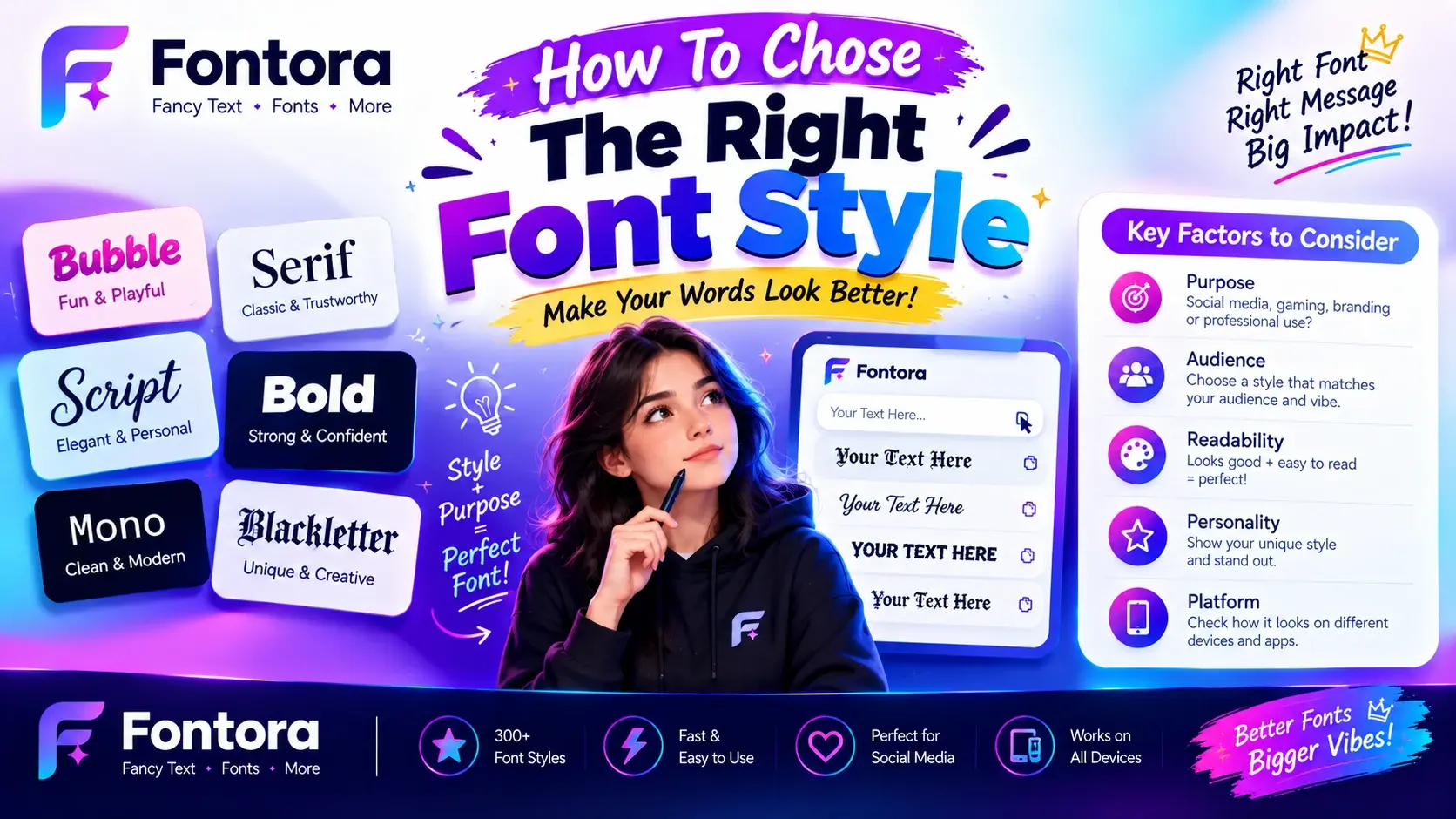
How To Choose The Right Font Style
Choosing the correct font style depends on your purpose and audience.
Use:
Bold fonts for strong and professional messages
Cursive fonts for elegant and creative designs
Gothic fonts for powerful and dramatic themes
Bubble fonts for fun and friendly content
Glitch fonts for futuristic designs
Fancy fonts for social media customisation
The best font style is the one that improves your message while keeping your design clear and attractive.
Font Styles For Different Uses
Choosing the right font style depends on where and how the text will be used. A font that works well for a luxury logo may not be suitable for a website, mobile application, or social media post.
Designers select typography styles based on factors such as audience, purpose, readability, brand personality, and user experience. The correct font style helps communicate the right message and creates a stronger visual connection.
Font Styles For Websites
Website typography plays an important role in user experience. Visitors should be able to read information easily while enjoying a visually appealing design.
The best font styles for websites usually focus on:
Readability
Clean appearance
Professional design
Easy navigation
Sans Serif Fonts For Websites
Sans serif fonts are commonly used for websites because they look modern and remain clear on digital screens. The differences between serif vs sans serif fonts help designers choose the right typography style based on readability, brand personality, and design goals.
Popular examples:
Arial
Helvetica
Roboto
Open Sans
They are widely used by:
Technology websites
Online platforms
SaaS companies
Business websites
Serif Fonts For Professional Websites
Serif fonts are useful for websites that want to create a traditional and trustworthy feeling.
Common industries:
Finance
Education
Law
Publishing
Examples:
Georgia
Times New Roman
Garamond
These styles create a feeling of reliability and authority.
Font Styles For Logos And Branding
A logo is one of the most important visual elements of a brand. The selected font style helps customers recognise and remember a company.
Brands choose fonts based on the personality they want to communicate.
Luxury Brand Font Styles
Luxury brands often use elegant serif or script fonts because they represent:
Premium quality
Sophistication
Elegance
Examples:
Fashion brands
Beauty companies
Jewellery businesses
Modern Brand Font Styles
Modern companies often choose clean sans serif fonts to represent:
Innovation
Simplicity
Technology
Professionalism
Common examples:
Technology companies
Digital products
Startup brands
Creative Brand Font Styles
Creative businesses often use decorative or display fonts to create a unique identity.
Used by:
Artists
Designers
Entertainment brands
Creative agencies
The goal is to create a memorable visual impression.
Font Styles For Social Media
Social media platforms depend heavily on visual content. The right font style can help creators and brands make posts more attractive and recognisable.
Popular choices include:
Bold Fonts
Used for:
Headlines
Announcements
Promotional posts
Example:
𝐋𝐚𝐭𝐞𝐬𝐭 𝐂𝐨𝐥𝐥𝐞𝐜𝐭𝐢𝐨𝐧
Aesthetic And Script Fonts
Used for:
Lifestyle content
Fashion posts
Personal brands
Example:
𝓑𝓮𝓪𝓾𝓽𝔂 𝓢𝓽𝔂𝓵𝓮
Decorative Fonts
Used for:
Creative posts
Special events
Entertainment content
Example:
✨ 𝓢𝓹𝓮𝓬𝓲𝓪𝓵 𝓜𝓸𝓶𝓮𝓷𝓽
Font Styles For Gaming Profiles
Gaming communities often prefer font styles that create a powerful and unique identity.
Popular choices:
Gothic Fonts
Used for:
Gaming usernames
Clan names
Dark themes
Example:
⚔️ 𝕯𝖆𝖗𝖐 𝖂𝖆𝖗𝖗𝖎𝖔𝖗
Glitch Fonts
Used for:
Cyber themes
Technology content
Futuristic profiles
Example:
C̷y̷b̷e̷r̷ G̷a̷m̷e̷r̷
Bold Fonts
Used for:
Competitive gaming profiles
Esports identities
Example:
🔥 𝐄𝐥𝐢𝐭𝐞 𝐏𝐥𝐚𝐲𝐞𝐫
Font Styles For Marketing Materials
Marketing materials need typography that captures attention while keeping information clear.
Common uses:
Advertisements
Flyers
Posters
Product packaging
Presentations
Popular choices:
Display Fonts
Best for:
Headlines
Campaign messages
Promotional designs
Bold Fonts
Best for:
Offers
Important announcements
Calls to action
Clean Fonts
Best for:
Supporting information
Product descriptions
Font Styles For Mobile Applications
Mobile applications require fonts that remain readable on smaller screens.
Important qualities:
Clear letter shapes
Good spacing
Easy reading
Consistent appearance
Sans serif fonts are commonly preferred because they provide a clean experience across different screen sizes.
How Designers Choose The Right Font Style
Professional designers consider several factors before selecting typography:
Brand Personality
Does the font match the brand message?
Example:
Luxury → Elegant serif
Technology → Modern sans serif
Gaming → Bold or gothic
Audience
The font should match the expectations of the target audience.
A children's product and a financial service should not use the same typography style.
Platform
Different platforms require different typography choices.
Examples:
Website → Readable fonts
Social media → Creative fonts
Logo → Memorable fonts
Gaming → Expressive fonts
Readability
The most attractive font is not always the best choice. A good font style should balance creativity with clear communication.
Choosing the right font style helps businesses, creators, and designers communicate effectively. Whether creating a website, logo, social media profile, or gaming identity, typography plays an important role in building a strong visual presence.
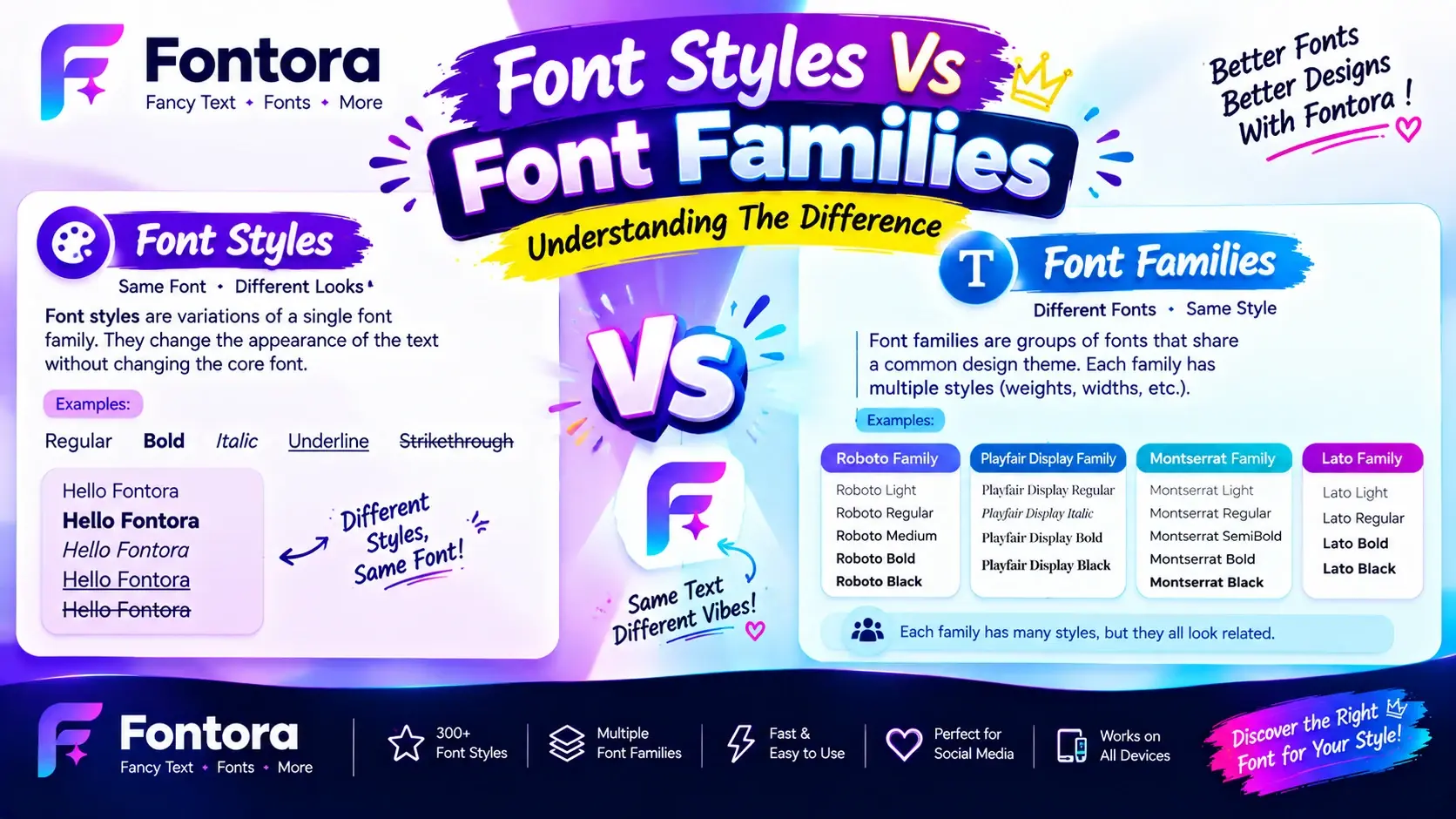
Font Styles vs Font Families: Understanding The Difference
The terms font styles, fonts, typefaces, and font families are often used interchangeably, but they have different meanings in typography. Understanding these differences helps designers, developers, and creators choose the correct typography for websites, branding, and digital projects.
Typography is not only about selecting attractive letters. It involves understanding how different text designs work together to create clear communication and a consistent visual identity.
What Is A Typeface?
A typeface is the overall design system or family of letters that share a similar visual appearance.
It defines the overall shape, structure, and personality of characters.
Examples of typefaces:
Helvetica
Times New Roman
Garamond
Roboto
Each typeface has its own design characteristics, such as:
Letter shape
Stroke style
Spacing
Visual personality
A typeface is like a complete design collection that contains different variations. These variations create different font styles that designers use for branding, websites, social media, and creative projects.
What Is A Font?
A font is a specific variation or style within a typeface.
For example:
Typeface:
Helvetica
Fonts:
Helvetica Regular
Helvetica Bold
Helvetica Italic
Helvetica Light
Each version is a different font within the same typeface family.
In simple terms:
Typeface = Complete design family
Font = Specific version of that design
What Are Font Families?
A font family is a group of related fonts that share the same design characteristics.
A font family can include different weights and styles, such as:
Regular
Bold
Light
Medium
Italic
Extra Bold
For example:
Roboto Font Family:
Roboto Regular
Roboto Medium
Roboto Bold
Roboto Italic
Designers use font families to create consistency while adding variation to different parts of a design.
What Are Font Styles?
Font styles describe the visual appearance or variation of text.
Common font styles include:
Bold
Creates a stronger and more noticeable appearance.
Example:
𝐁𝐨𝐥𝐝 𝐓𝐞𝐱𝐭
Used for:
Headlines
Important messages
Advertisements
Italic
Creates a slightly angled appearance.
Example:
𝘐𝘵𝘢𝘭𝘪𝘤 𝘛𝘦𝘹𝘵
Used for:
Emphasis
Quotes
Creative designs
Cursive
Creates a handwritten and elegant appearance.
Example:
𝓒𝓾𝓻𝓼𝓲𝓿𝓮 𝓣𝓮𝔁𝓽
Used for:
Invitations
Fashion branding
Creative projects
Gothic
Creates a dramatic and historical appearance.
Example:
𝕲𝖔𝖙𝖍𝖎𝖈 𝕿𝖊𝖝𝖙
Used for:
Gaming names
Posters
Entertainment designs
Why Understanding These Differences Matters
Knowing the difference between these typography terms helps you make better design decisions.
For example:
A website designer may choose:
Typeface:
Roboto
Font family:
Roboto Regular + Roboto Bold
Font style:
Bold headings with regular body text
This creates a consistent and professional user experience.
Font Styles And Branding
Brands carefully select typography systems to create recognition and trust.
A brand may use:
Luxury Branding
Elegant serif typefaces
Refined font styles
Purpose:
Create a premium and sophisticated feeling.
Technology Branding
Modern sans serif typefaces
Clean font styles
Purpose:
Create a simple and innovative impression.
Creative Branding
Decorative or script styles
Purpose:
Create personality and uniqueness.
How Font Families Improve Design Consistency
Using a complete font family allows designers to maintain a consistent appearance across different content types.
For example:
Website heading:
Roboto Bold
Website paragraph:
Roboto Regular
Small text:
Roboto Light
This creates visual harmony while improving readability.
Font Style vs Font Family: Simple Explanation
Font family tells you:
"What group of fonts belong together?"
Font style tells you:
"How does this specific text look?"
Example:
Font Family:
Arial
Font Styles:
Arial Regular
Arial Bold
Arial Italic
How To Choose The Right Typography Combination
When selecting fonts for a project, consider:
Purpose
A website, logo, and social media design may require different typography choices.
Audience
Choose styles that match the expectations of your users.
Brand Personality
Typography should represent the feeling you want to create.
Readability
The design should remain clear and comfortable to read.
Understanding the relationship between font styles, fonts, typefaces, and font families gives designers better control over typography. These concepts help create professional websites, attractive branding, and effective digital experiences.
How To Choose The Right Font Style
Choosing the right font style is an important part of successful typography. The perfect font does not only make text look attractive; it helps communicate the correct message, improve readability, and create a strong connection with the audience.
Designers, businesses, and creators consider several factors before selecting a font style, including the purpose of the design, target audience, brand personality, platform, and user experience.
A suitable typography choice can transform ordinary text into a professional, memorable, and visually appealing design.
Consider The Purpose Of Your Project
The first step in choosing a font style is understanding where and why the text will be used.
Different projects require different typography choices.
Website Design
For websites, readability and user experience are the top priorities.
Recommended styles:
Sans serif fonts for modern websites
Serif fonts for professional and traditional websites
The font should make information easy to read across different devices.
Logo Design
Logos require font styles that represent a brand's personality and remain memorable.
Examples:
Luxury brands:
Elegant serif fonts
Script fonts
Technology brands:
Clean sans serif fonts
Creative brands:
Display or decorative fonts
A good logo font helps customers recognise and remember a business.
Social Media Content
Social media designs need fonts that capture attention quickly.
Popular choices:
Bold fonts for announcements
Aesthetic fonts for lifestyle content
Decorative fonts for creative posts
Creators often use different font styles to make usernames, captions, and profile designs more attractive.
Marketing Materials
Advertisements, posters, and promotional designs require fonts that communicate messages clearly and attract attention.
Common choices:
Display fonts for headlines
Bold fonts for offers
Simple fonts for supporting information
The font should support the marketing goal without reducing readability.
Understand Your Target Audience
A font style should match the people who will see and interact with your content.
Different audiences respond differently to typography.
Examples:
Young Creative Audience
Suitable styles:
Decorative fonts
Script fonts
Aesthetic fonts
Used in:
Fashion
Art
Lifestyle content
Professional Audience
Suitable styles:
Sans serif fonts
Serif fonts
Used in:
Business websites
Corporate presentations
Financial services
Gaming Audience
Suitable styles:
Gothic fonts
Glitch fonts
Bold fonts
Used in:
Gaming usernames
Streaming profiles
Esports branding
Understanding your audience helps create better visual communication.
Match The Font With Brand Personality
Every brand has a personality, and typography should reflect that identity.
A font style can make a brand feel:
Professional
Friendly
Modern
Creative
Premium
Trustworthy
Examples:
Luxury Brand
Best choices:
Serif fonts
Elegant script fonts
Message:
Premium and sophisticated
Technology Brand
Best choices:
Modern sans serif fonts
Message:
Innovation and simplicity
Creative Brand
Best choices:
Display fonts
Decorative fonts
Message:
Originality and imagination
Think About Readability
A beautiful font is not useful if people cannot easily understand the text.
Before selecting a font style, check:
Letter clarity
Font size
Spacing
Contrast
Screen compatibility
For long-form content such as blogs and websites, simple and readable fonts usually provide the best experience.
Creative fonts work better for:
Logos
Headlines
Short messages
Social media designs
Consider The Platform
Different platforms require different typography approaches.
Websites
Focus on:
Clear reading experience
Professional appearance
Mobile compatibility
Social Media
Focus on:
Visual impact
Creativity
Quick attention
Mobile Applications
Focus on:
Simple shapes
Easy readability
Consistent design
Print Materials
Focus on:
Visual quality
Brand identity
Professional presentation
The same font style may not work equally well across every platform.
Combine Multiple Font Styles Carefully
Professional designs often combine different typography styles to create balance.
A common approach:
Heading:
Bold or display font
Body text:
Simple sans serif or serif font
Example:
Website heading:
𝐂𝐫𝐞𝐚𝐭𝐞 𝐘𝐨𝐮𝐫 𝐃𝐞𝐬𝐢𝐠𝐧
Body text:
Clean readable paragraph font
Combining fonts creates visual hierarchy and improves content organization.
Avoid Common Font Selection Mistakes
When choosing font styles, avoid:
Using Too Many Fonts
Too many different styles can make a design look inconsistent.
Choosing Style Over Readability
A creative font should never make information difficult to understand.
Ignoring Brand Identity
The font should match the message and personality of the brand.
Following Trends Without Purpose
Popular fonts may not always fit your project.
The best typography choice is one that supports your goals.
Final Tips For Choosing The Best Font Style
Before selecting a font, ask:
What message do I want to communicate?
Who is my audience?
Where will this font be used?
Is it easy to read?
Does it match my brand personality?
The right font style creates balance between creativity, communication, and user experience. A thoughtful typography choice helps websites, brands, and digital content become more professional and memorable.
How To Create Stylish Text Using Different Font Styles
Creating stylish text has become popular among social media users, creators, gamers, and brands who want to make their digital presence more unique. With the help of Unicode characters and font generators, anyone can transform normal text into creative typography styles without needing professional design software.
A font generator allows users to create different text variations instantly and use them across platforms such as TikTok, Instagram, Discord, websites, and digital profiles.
Step 1: Choose Your Text
The first step is deciding what text you want to customise.
You can create stylish versions of:
Usernames
Brand names
Social media bios
Captions
Headlines
Profile descriptions
Examples:
Normal text:
Creative Studio
Gaming name:
Shadow Warrior
Brand name:
Digital Creator
Start with clear and meaningful words that represent your personality, brand, or content purpose.
Step 2: Select A Suitable Font StyleAfter choosing your text, select a font style that matches your goal.
Different styles create different impressions.
Bold Font Style
Best for:
Professional messages
Strong headlines
Business branding
Example:
𝐂𝐫𝐞𝐚𝐭𝐢𝐯𝐞 𝐒𝐭𝐮𝐝𝐢𝐨
Cursive Font Style
Best for:
Elegant designs
Personal profiles
Creative projects
Example:
𝓒𝓻𝓮𝓪𝓽𝓲𝓿𝓮 𝓢𝓽𝓾𝓭𝓲𝓸
Gothic Font Style
Best for:
Gaming usernames
Dark themes
Entertainment designs
Example:
𝕮𝖗𝖊𝖆𝖙𝖎𝖛𝖊 𝕾𝖙𝖚𝖉𝖎𝖔
Decorative Font Style
Best for:
Social media profiles
Creative artwork
Special designs
Example:
✦ 𝓒𝓻𝓮𝓪𝓽𝓲𝓿𝓮 𝓢𝓽𝓾𝓭𝓲𝓸 ✦
Step 3: Convert Normal Text Into Stylish Text
A font generator works by replacing standard characters with different Unicode versions.
For example:
Original:
Creative Studio
Generated styles:
𝐂𝐫𝐞𝐚𝐭𝐢𝐯𝐞 𝐒𝐭𝐮𝐝𝐢𝐨
𝓒𝓻𝓮𝓪𝓽𝓲𝓿𝓮 𝓢𝓽𝓾𝓭𝓲𝓸
𝕮𝖗𝖊𝖆𝖙𝖎𝖛𝖊 𝕾𝖙𝖚𝖉𝖎𝖔
The meaning remains the same, but the visual appearance changes.
Step 4: Add Symbols Carefully
Symbols can improve the appearance of stylish text when used correctly.
Examples:
Gaming:
⚔️ 𝕯𝖆𝖗𝖐 𝖂𝖆𝖗𝖗𝖎𝖔𝖗
Aesthetic:
♡ 𝓓𝓻𝓮𝓪𝓶 𝓢𝓸𝓾𝓵
Creative:
✦ 𝓐𝓻𝓽 𝓢𝓽𝓾𝓭𝓲𝓸
Popular symbols:
✦
★
♡
☾
⚡
🔥
👑
However, too many symbols can make text difficult to read.
Step 5: Copy And Use Your Stylish Text
After selecting your preferred design:
Copy the generated text.
Open your preferred platform.
Paste the text into your username, bio, caption, or profile.
Check the final appearance.
Stylish Unicode text can be used on many platforms, including:
TikTok
Discord
Gaming profiles
Step 6: Test Your Font Style
Before using a font style permanently, check how it appears on different devices.
Consider:
Mobile compatibility
Letter readability
Symbol visibility
Overall design balance
Some rare Unicode characters may not display correctly on all devices, so simple and supported styles usually provide better results.
How Fontora Helps Create Stylish Text
Fontora makes it easier to explore different typography styles by allowing users to transform ordinary text into creative designs quickly.
Users can create:
Fancy usernames
Stylish social media bios
Creative captions
Gaming names
Decorative text designs
Instead of manually searching for different characters, a font generator provides multiple style options in seconds. With the fancy text generator, users can instantly create unique text styles and copy them for social media profiles, usernames, and creative projects.
Best Practices For Creating Stylish Text
Follow these tips for better results:
Keep It Simple
Clean designs usually look more professional than overloaded styles.
Match The Style With The Purpose
Choose fonts based on your audience and content type.
Prioritise Readability
A stylish design should still be understandable.
Maintain Consistency
Use similar typography styles across your profiles and branding materials.
Creating stylish text is a simple way to improve digital communication and build a stronger visual identity. By combining meaningful words, suitable font styles, and Unicode-based designs, users can create attractive text for personal profiles, brands, and creative projects.
Conclusion: Choose The Right Font Style To Create Better Designs
Font styles are an important part of typography that influence how people understand, feel, and interact with written content. From professional websites and brand identities to social media profiles and creative projects, the right typography choice helps create a stronger visual experience.
Different font styles, including serif, sans serif, script, gothic, display, and decorative fonts, each have unique characteristics and purposes. Understanding these categories allows designers, businesses, and creators to select typography that matches their audience, message, and design goals.
A successful font choice is not only about appearance. The best typography combines creativity, readability, consistency, and emotional connection. Whether you are designing a logo, building a website, creating social media content, or developing a personal brand, choosing the right font style can make your work look more professional and memorable.
Explore different typography styles, experiment with creative designs, and choose fonts that represent your unique identity and purpose.
Frequently Asked Questions About Font Styles
What are the different types of font styles?
The main types of font styles include serif, sans serif, script, gothic, display, and decorative fonts. Each style has different visual characteristics and is used for different purposes such as websites, logos, branding, social media designs, advertisements, and creative projects.
What is the most popular font style?
Sans serif fonts are among the most popular font styles because they provide a clean, modern, and readable appearance. They are widely used in websites, mobile applications, technology brands, and digital platforms because they work well across different screen sizes.
What font style is best for websites?
The best font style for websites is usually a clean and readable style such as sans serif fonts. Websites need typography that improves user experience, loads clearly on different devices, and allows visitors to read information comfortably.
What is the difference between a font and a typeface?
A typeface refers to the complete design family of letters, while a font is a specific variation within that typeface. For example, Helvetica is a typeface, while Helvetica Bold and Helvetica Italic are different fonts within that family.
Are fancy fonts real fonts?
Most fancy fonts used for social media profiles are not traditional font files. They are created using Unicode characters that visually resemble different font styles and can be copied into platforms like TikTok, Instagram, and Discord.
How do I choose the right font style?
Choose a font style based on your purpose, audience, brand personality, and platform. Serif fonts work well for traditional and professional designs, sans serif fonts suit modern digital projects, while script and decorative fonts are useful for creative and artistic designs.
Which font styles are best for logos?
The best font style for a logo depends on the brand identity. Luxury brands often use elegant serif or script fonts, technology companies prefer clean sans serif styles, and creative brands may use unique display or decorative fonts.
Which font style is best for social media?
Social media profiles often use bold, aesthetic, cursive, and decorative font styles because they help content stand out visually. The best choice depends on the creator's personality, content category, and audience.
Can font styles affect user experience?
Yes, font styles can affect user experience by influencing readability, visual comfort, and how users perceive information. A well-selected typography style makes content easier to understand and creates a more professional digital experience.
How can I create stylish text with different font styles?
You can create stylish text by using a font generator that converts normal words into Unicode-based designs. After selecting a preferred style, you can copy the generated text and use it in usernames, bios, captions, and creative projects.